Veneers in Oxnard CA for Cracked and Chipped Teeth
A chipped front tooth can change the way a person smiles in a single second. Sometimes it happens with a coffee mug, sometimes during a weekend basketball game, sometimes because an old filling gave way and took a corner of the tooth with it. Cracks can be even more frustrating. They may start as a faint line that only catches the light, then slowly become something you notice in every photo.
For many adults, the goal is not simply to repair the damage. It is to make the tooth look natural again, hold up under daily use, and blend with the rest of the smile. That is where veneers often enter the conversation. When used thoughtfully, veneers can be an excellent option for cracked and chipped teeth, especially in visible areas where appearance matters just as much as strength.
Patients searching for Veneers Oxnard CA are usually not looking for a dramatic cosmetic makeover right away. More often, they want a practical answer to a specific problem. They want to know whether a veneer will actually solve the issue, whether the tooth underneath is healthy enough, how long the result will last, and whether there is a better alternative. Those are the right questions to ask.
Why cracked and chipped teeth deserve careful evaluation
Not every crack means the same thing. A superficial craze line on the enamel is very different from a deeper structural crack that extends toward the nerve. In the same way, a tiny chip on the edge of an incisor is a different problem from a larger fracture that affects how the upper and lower teeth meet.
This distinction matters because veneers are not a one size fits all fix. They work best when the tooth is fundamentally stable and the damage is limited enough that the front surface can be restored predictably. If the tooth is weak, heavily decayed, or fractured in a way that compromises its core structure, another treatment may be more appropriate.
A good cosmetic and restorative dentist in Oxnard will usually begin by looking at three things at once. First, the health of the tooth and gum. Second, the size and location of the defect. Third, the way the patient bites, clenches, and uses the tooth day to day. The answer is not just about what looks best in the mirror. It is about whether the restoration can survive normal life.
I have seen patients convinced they needed a crown when a well designed veneer was enough, and I have seen the opposite, a patient hoping for a conservative veneer when the fracture pattern clearly pointed toward a crown or even root canal treatment first. The treatment plan depends on the tooth, not on the trend.
What veneers actually do
A veneer is a thin shell, usually made from porcelain, that bonds to the front of the tooth. It can change the color, shape, length, and surface appearance of that tooth. In cases involving chips or small fractures, a veneer can restore the missing portion while also improving the overall look of the tooth so it does not appear patched or uneven.
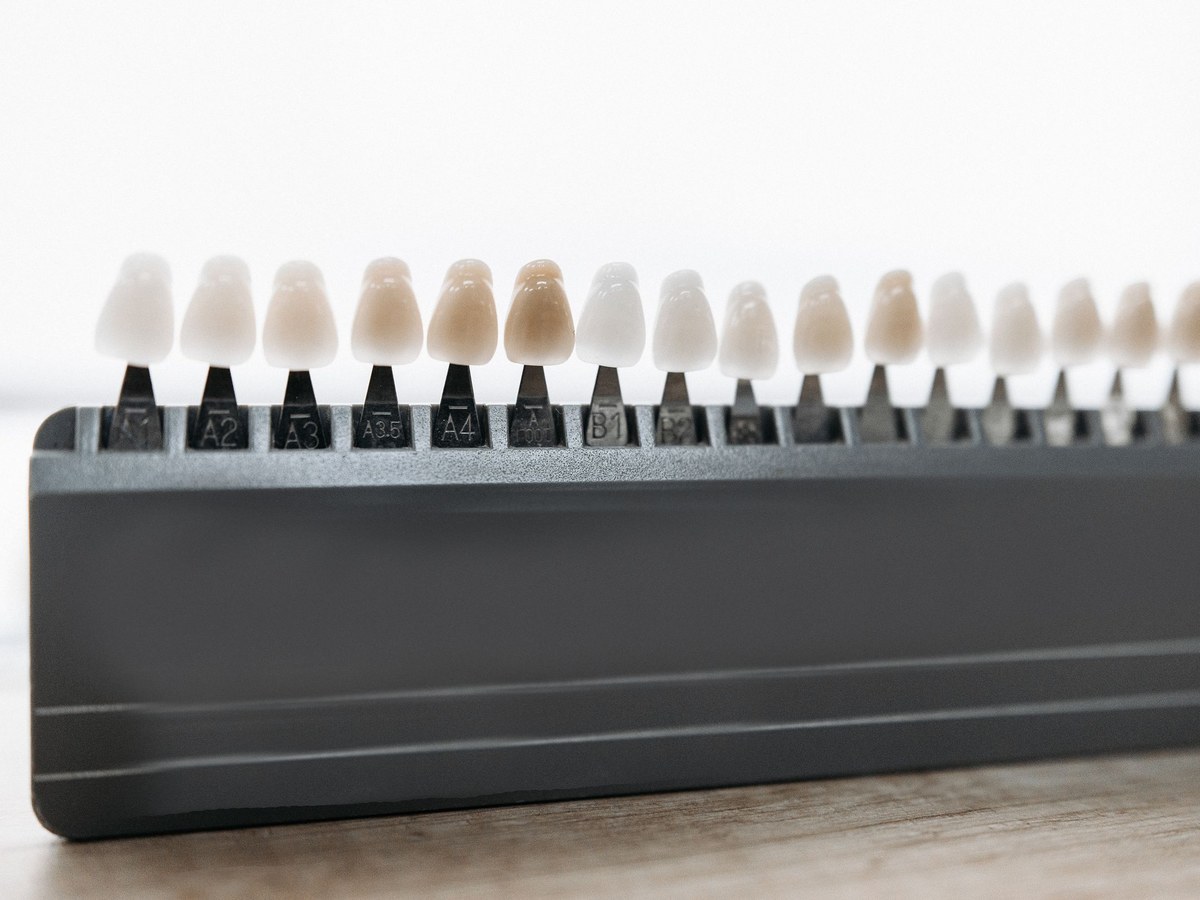
Porcelain veneers are especially useful for front teeth because they reflect light in a way that resembles natural enamel. That matters more than many people expect. Teeth do not look uniformly white or flat. They have translucency at the edges, subtle texture, and slight variation from one area to another. A skilled ceramist and dentist work together to recreate those details, which is why good veneers tend to disappear into the smile rather than announce themselves.
For chipped teeth, veneers can rebuild a broken corner, smooth rough edges, and correct asymmetry caused by wear or trauma. For cracked teeth, veneers may conceal visible enamel cracks and provide reinforcement to the front surface, but only if the crack is cosmetic or limited. A deeper crack that travels through the tooth cannot be safely hidden behind porcelain and ignored.
When veneers make sense for chipped teeth
Chipped teeth are often ideal candidates for veneers when the chip affects the front edge or visible surface, the tooth remains vital and healthy, and the patient wants a highly aesthetic result. Bonding is another option, and for small chips it can be a very good one. Composite bonding is faster and less expensive, and in the right hands it can look excellent. Still, veneers offer advantages that matter over time.
Porcelain resists staining better than composite. It tends to maintain luster longer. It also allows for more precise shaping and more refined esthetics in cases where the tooth needs more than a simple patch. If a patient has a chipped tooth and also wants to correct uneven contours, slight discoloration, or a mismatch from prior dental work, a veneer often gives the dentist more control.
Imagine a patient who chipped a front tooth ten years ago and had it repaired with bonding twice since then. The current repair catches stains around the margins, the edge has flattened, and the shape no longer matches the neighboring tooth. In that kind of case, a veneer can provide a more durable and polished result than another round of composite.
That said, a veneer is not always the first move. If the chip is tiny and the tooth is otherwise beautiful, preserving as much enamel as possible may favor bonding instead. Good dentistry is not about choosing the most elaborate treatment. It is about choosing the most sensible one.
Cracked teeth are more nuanced
The word crack covers a wide range of conditions. Some people point to fine vertical lines that have been present for years and never caused pain. Others have a tooth that hurts sharply when biting and releasing, which may suggest a more significant crack. Veneers help only in certain situations.
A veneer may be appropriate when the crack is superficial, confined to enamel, and primarily cosmetic. For example, a front tooth with visible craze lines and a small chip at the edge may respond very well to a veneer if the underlying tooth tests healthy and the bite can be managed properly.
A veneer is less suitable when the crack extends deeply, when the tooth is sensitive to pressure, or when a large portion of the tooth has already been restored with fillings. In those cases, the tooth may need a crown to wrap around and support more of the structure. If the pulp is affected, root canal treatment may also be necessary before any final cosmetic restoration.
This is one area where patients benefit from a dentist who is candid, not optimistic for the sake of making a veneer fit the plan. Covering a compromised tooth with porcelain may look good for a short period, but if the underlying crack worsens, the restoration fails and the patient ends up paying for treatment twice.
How the process usually unfolds
Most veneer cases for cracked or chipped front teeth are completed over two or three visits, though some offices add a planning appointment before any preparation begins. The first visit often includes photos, X rays if needed, a bite evaluation, and a close look at the tooth from every angle. Many dentists also discuss smile line, lip movement, and how much of the teeth show at rest and during speech. These details sound cosmetic, but they affect whether the final veneer looks believable.
If the tooth is a good candidate, the dentist prepares a small amount of enamel from the front surface. In conservative cases, this may be minimal. Impressions or digital scans are then sent to a dental lab, where the veneer is fabricated. A temporary restoration may be placed depending on the amount of preparation and the location of the tooth.
At the bonding appointment, fit and color are checked before the veneer is permanently bonded. This stage requires patience. Tiny differences in shade, contour, or contact can change the whole result. When done well, the final veneer should feel smooth, fit naturally into the bite, and look like it belongs there.
Patients often expect the biggest change to be visual, but many comment first on texture. A fractured edge that used to snag floss or feel rough against the lip suddenly feels whole again. That small daily comfort is easy to underestimate until it is restored.
Matching one veneer to natural teeth
One of the most technically demanding situations in cosmetic dentistry Veneers Oxnard CA oxdentistry.com is restoring a single front tooth. Matching one veneer to the neighboring natural teeth takes more judgment than placing several veneers across the smile. With multiple veneers, the dentist can create harmony across a broader area. With one veneer, the restoration has to mimic what nature already made.
This is where details matter. The dentist and ceramist consider the base shade of the tooth, the opacity needed to mask defects without looking chalky, and the translucency at the edge so the veneer does not appear too dense. Surface texture matters too. Young enamel often has more visible microtexture and light reflection. More mature teeth may be smoother and slightly lower in value.
Patients in sunny coastal areas like Oxnard often notice these things more than they think. Natural daylight is unforgiving. A veneer that looks acceptable under indoor lighting can seem too bright, too flat, or too opaque outdoors. That is one reason experienced cosmetic dentists often rely on photography, try-in pastes, and close communication with the lab.
Veneers versus bonding, crowns, and no treatment
Patients comparing Veneers Oxnard CA options should understand the trade-offs. Veneers are conservative compared with crowns, but they are less reversible than simple bonding. Crowns cover more of the tooth and may offer better protection when the tooth is extensively damaged, though they also usually require more reduction of healthy structure. Bonding preserves enamel and is cost effective, but it may chip, stain, or lose polish faster than porcelain.
Sometimes no treatment is also reasonable. Fine craze lines with no symptoms do not always need intervention. A tiny chip in a back corner of a tooth that does not affect function or appearance may only need smoothing. Dentistry should improve a person’s health, comfort, or confidence. If a defect is negligible, observation can be the most responsible recommendation.
Here is a concise way to think about candidacy:
- Veneers often work best for visible front teeth with limited chips, superficial cracks, or shape issues.
- Bonding may be the better choice for very small chips or patients who want the most conservative repair.
- Crowns are more appropriate when the tooth has major structural loss, large fillings, or deeper fracture risk.
- Untreated observation can be acceptable for harmless enamel lines or tiny imperfections with no symptoms.
The role of bite forces and grinding
One of the biggest reasons beautiful veneers fail has nothing to do with shade or cement. It is bite force. Patients who clench or grind, especially at night, place repeated stress on the edges of front teeth. If that pattern is not addressed, a veneer placed on a chipped or cracked tooth may become another casualty.
This does not mean people who grind can never get veneers. It means the case has to be planned carefully. The dentist may adjust the bite, refine the length and thickness of the veneer, or recommend a night guard after treatment. Sometimes, signs of wear on the back teeth tell the story before the patient ever mentions grinding. Flattened edges, small notches near the gumline, and morning jaw soreness are common clues.
I have seen front teeth chip because the patient used them as tools, opening packages, biting nails, holding bobby pins, tearing plastic. Habits matter. A veneer can restore a tooth beautifully, but it cannot change the laws of mechanics.
What patients in Oxnard often ask about longevity
The answer depends on the material, the bond, the bite, and maintenance. In real practice, porcelain veneers can last many years, often well over a decade, especially when they are bonded to healthy enamel and cared for properly. Some last much longer. Others need replacement earlier because of trauma, grinding, gum changes, or edge damage.
Longevity is not just about whether the veneer stays attached. It also includes how well it continues to look. Margin integrity, color stability, surrounding gum health, and wear all matter. A veneer that remains bonded but develops visible edge staining or a contour issue may still be considered due for replacement.
Patients should also know that veneers are not maintenance free. They need regular cleanings, exams, and occasional polish or bite adjustments. If a person moves forward assuming the veneer is permanent and self-sustaining, expectations will drift away from reality.
What preparation feels like and whether it hurts
For a single veneer on a front tooth, preparation is usually very manageable. Many patients describe it as easier than a filling appointment. Local anesthetic may be used depending on the amount of preparation and patient sensitivity. Temporary restorations, when needed, can feel a bit different from the final porcelain, especially along the edges, but they are a short bridge to the finished result.
The more important part is not discomfort during the appointment. It is communication beforehand. Patients should understand how much enamel will be removed, whether the veneer will change the shape noticeably, and what limitations exist in matching a neighboring tooth. Clarity before treatment prevents dissatisfaction after treatment.
Cost, value, and what drives the price
Veneers are not inexpensive, and the fee can vary based on the dentist’s training, the complexity of the case, the quality of the lab, and the number of veneers involved. A single veneer that must perfectly match adjacent natural teeth can actually require more artistic effort than a broader cosmetic case. That surprises some patients.
The cheapest veneer is rarely the best value if it needs to be replaced early or never looks right to begin with. On the other hand, not every patient needs an elaborate smile design package. For a chipped or cracked tooth, the best value often comes from focused treatment with clear goals, strong planning, and restraint.
When discussing cost, it helps to ask not only what is included, but how the office approaches planning, temporaries, lab communication, and bite protection afterward. The veneer itself is only part of what you are paying for. Judgment is the rest.
Choosing the right dentist for veneers in Oxnard
The skill gap in veneer dentistry is real. Two patients can both receive porcelain veneers and have very different outcomes in terms of fit, natural appearance, and durability. For cracked and chipped teeth, the dentist needs both cosmetic sensibility and restorative discipline. One without the other is not enough.
A dentist who takes time to evaluate bite, reviews alternatives honestly, and explains why a veneer is or is not the right choice usually inspires more confidence than one who immediately sells a cosmetic solution. Before and after photos of real single tooth or small case work can be useful, especially if the cases resemble your own. So can a discussion about what happens if the crack turns out to be deeper than expected.
The best consultations often feel less like a sales pitch and more like problem solving. You leave understanding the condition of the tooth, the realistic options, and the trade-offs attached to each one.
Caring for veneers after treatment
Once the veneer is bonded, the daily routine is straightforward, but habits make a difference. Patients who keep the surrounding gums healthy and avoid avoidable stress on the veneer usually get better long-term service from their restorations.
A practical maintenance routine includes:
- Brush gently with a nonabrasive toothpaste and floss daily.
- Avoid biting hard objects with the front teeth, including ice, pens, and packaging.
- Wear a night guard if your dentist identifies clenching or grinding.
- Keep regular cleaning and exam visits so small issues are caught early.
- Report any new sensitivity, roughness, or bite changes rather than waiting.
One useful point to remember is that porcelain does not decay, but the tooth underneath still can. Margins need to stay clean. Gum tissue needs to stay healthy. Veneers succeed best in healthy mouths, not as a shortcut around basic care.
When veneers are the right call
For the right patient, veneers can do something very satisfying. They can take a damaged front tooth that draws the eye for all the wrong reasons and return it to the smile in a way that feels seamless. Not fake, not overdone, just intact again. That is often exactly what people want after a crack or chip. They do not want a different face. They want their own smile back.
The key is selecting the case carefully. If the tooth is structurally sound, the defect is visible enough to justify treatment, and the bite can be managed responsibly, a veneer can be an elegant solution. If the tooth is too compromised, another restoration may serve the patient better. Good treatment planning is what separates those outcomes.
Anyone considering Veneers Oxnard CA for cracked or chipped teeth should expect a careful exam, an honest conversation about alternatives, and a plan tailored to the actual tooth rather than the marketing term. Done well, veneers can be one of the most refined tools in cosmetic dentistry. Done casually, they can be an expensive detour. The difference lies in diagnosis, craftsmanship, and restraint.
Oxnard Dentistry
1730 E Gonzales Rd, Oxnard, CA 93036, United States
+1 805-307-8731
FAQ About Veneers Oxnard CA
How long do porcelain veneers last?
Porcelain veneers can last for many years, but they can chip, loosen, or wear over time. Their lifespan depends on factors such as your bite, whether you grind your teeth, and daily care. Regular dental visits let your dentist check their condition.
Are dental veneers permanent?
Traditional veneers often require removing a small amount of enamel, so that change to the tooth is generally irreversible. Veneers can still need repair or replacement. Ask your dentist how much preparation your teeth would require.
How much do veneers cost in Oxnard?
Cost depends on the material, how many teeth you want treated, and whether you need other dental work first. Ask for a written estimate that explains the price per tooth and what is included.