Wisdom Teeth Removal Healing Stages Explained
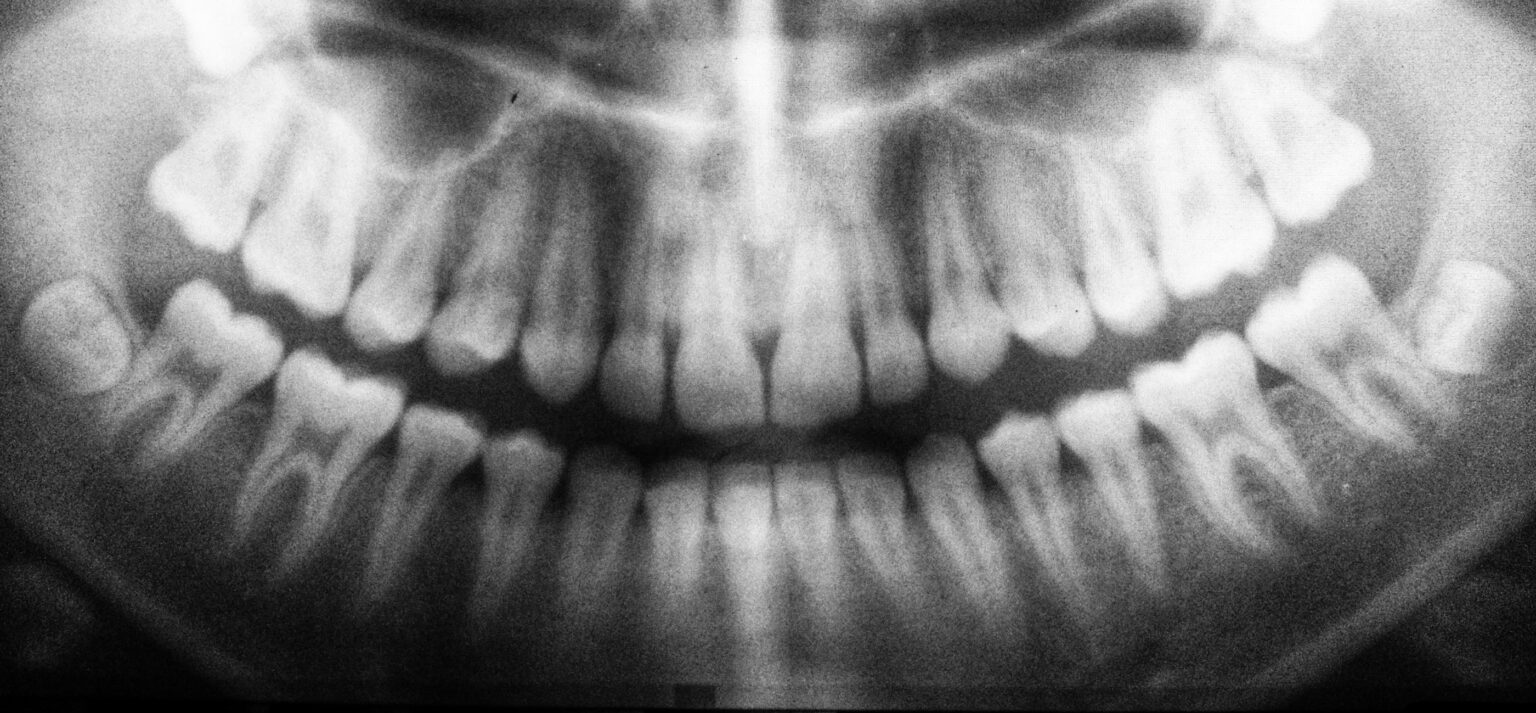
Wisdom teeth removal is one of the most routine oral surgeries, but the healing process rarely feels routine when you are the one dealing with it. Patients often expect the hardest part to be the procedure itself. In practice, the real challenge is the week or two that follows, when swelling peaks, eating becomes awkward, sleep gets disrupted, and every odd sensation in the back of the mouth raises questions.
The good news is that healing after Wisdom Teeth Removal tends to follow a fairly predictable pattern. The details vary based on age, whether the teeth were fully erupted or impacted, how much bone had to be removed, and whether all four teeth came out at once. Still, most people move through the same broad stages. Knowing what usually happens, and what does not, helps you recover with less stress and fewer setbacks.
I have seen many patients do very well once they understand two things. First, discomfort does not mean something is wrong. Second, a mouth that is healing can look and feel strange even when everything is progressing normally. The extraction sites change quickly from day to day. A white-yellow film may appear. The jaw may feel tight. One side may heal faster than the other. None of that is unusual.
What starts healing the moment the tooth comes out
As soon as a wisdom tooth is removed, the body begins trying to close and protect the socket. Blood fills the space where the tooth used to sit and forms a clot. That clot matters more than many people realize. It is not just dried blood. It is the first protective layer over exposed bone and nerve endings, and it creates the foundation for new tissue to grow.
During the first several days, the surrounding gum tissue becomes inflamed. That sounds negative, but controlled inflammation is part of normal healing. Blood flow increases. Immune cells move in. The body starts clearing debris and laying down the earliest repair tissue. Deeper inside the socket, bone remodeling will continue for weeks and even months after the gum surface looks healed.
This is why patients can feel almost normal at two weeks and still have small indentations where the teeth were. Surface healing and deep healing are not the same thing. The mouth often looks better long before the underlying bone fully reorganizes.
Wisdom Teeth RemovalThe first 24 hours, protection is everything
The first day sets the tone for the rest of recovery. Bleeding and oozing are expected during this window, especially in the first few hours. Most people do not have dramatic bleeding after they leave the office, but they do notice saliva tinged pink or red. That is common. The goal is not to keep the sockets perfectly dry. The goal is to let the clot stay put.
This is why oral surgeons give what can feel like fussy advice about gauze, straws, spitting, and smoking. The suction and pressure created by those actions can disturb the clot before it stabilizes. Patients sometimes assume one quick rinse or one careful sip through a straw will not matter. Occasionally they are right. Occasionally that is the exact choice that leads to a dry socket two days later.
Pain on day one is often muted by local anesthetic and the residual effects of sedation. In my experience, people who think, “This is not bad at all,” during the afternoon after surgery are sometimes surprised by the evening. Once the numbness fades, the soreness becomes more noticeable. Taking pain medication on the schedule provided, rather than waiting until pain surges, usually makes the first night easier.
Swelling also starts early, even if it is not obvious right away. Ice packs help most during the first 24 hours because they reduce blood vessel dilation and can limit the peak of swelling. They do not eliminate it, but they can blunt it.
Eating is usually limited to soft, cool, and bland foods. Yogurt, applesauce, smoothies eaten with a spoon, mashed potatoes, soup that has cooled down, scrambled eggs, and oatmeal are typical choices. The practical issue is not just chewing. It is avoiding foods that crumble into the sockets or require wide jaw opening when the area is fresh and tender.
Days two and three, often the most uncomfortable stretch
If patients ask me when recovery feels worst, I usually say days two and three. That surprises some people, but it makes sense physiologically. The protective numbness is gone. Inflammation has intensified. Swelling often reaches its peak around 48 to 72 hours after surgery. Jaw stiffness becomes more obvious. Bruising, if it is going to happen, may start to show in the cheeks or along the jawline.
This stage can feel discouraging because you expected improvement, yet your face may be puffier than it was on day one. That is still within the normal course. Many healthy recoveries look a little dramatic at this point. One common example is lower wisdom teeth removal that involved impacted teeth. Those sites can create enough tissue irritation that opening the mouth wide for a sandwich feels nearly impossible for a couple of days.
The discomfort during this phase is usually described as throbbing, aching, or pressure-like. It should still be manageable with the pain control plan you were given. Some people take prescription medication for a day or two and then transition to ibuprofen, acetaminophen, or a combination if their surgeon says it is appropriate. Others manage with over-the-counter medication alone. There is no prize for being stoic. Pain that is reasonably controlled makes it easier to drink, eat, and sleep, which supports healing.
You may also notice a stale taste in the mouth. A small amount of blood mixing with saliva can do that. So can food residue. Gentle mouth hygiene becomes more important now, but gentle is the key word. Aggressive rinsing can still dislodge clotting tissue.
What normal healing looks like inside the mouth
People often expect healing tissue to look pink and tidy from the start. The mouth does not work that way. Extraction sites commonly appear dark red at first, then develop a pale white, cream, or yellowish covering. That covering is often fibrin, a normal part of the healing matrix. It is frequently mistaken for pus by patients who have never seen an extraction site before.
Normal sockets can also look like holes for a while. If the teeth were deeply impacted, those holes may be larger than expected. The gum edges gradually shrink inward and new tissue fills the space from the bottom up. This is slow, and lower wisdom tooth sites usually take longer to smooth over than upper ones.
Odor can also be misleading. A healing socket may trap food, blood proteins, and bacteria from the normal oral environment. That can create an unpleasant smell even without infection. A bad taste alone does not automatically mean trouble. Dentists usually look at the whole picture, pain level, swelling pattern, fever, drainage, and how the tissue appears.
Another variation that causes anxiety is asymmetry. One side often hurts more than the other, swells more, or takes longer to settle. If one tooth was more impacted, had curved roots, or required more bone removal, that side simply had a tougher surgery and a tougher recovery.
Days four through seven, the turn most people wait for
By day four, many patients begin to feel they have turned a corner. Not everyone does, especially after difficult lower extractions, but this is often when the trajectory shifts in a reassuring direction. Swelling starts to come down rather than build. The jaw loosens a little. Eating broadens beyond pureed foods. Sleep improves.
Pain during this phase should trend downward, even if it does not disappear. A dull ache and mild tenderness with chewing are common. Sharp escalation is not. If a patient tells me they felt somewhat better on day three but much worse on day five, I start thinking about dry socket, trapped food, irritation from overactivity, or less commonly infection.
Many surgeons recommend warm saltwater rinses around this stage, depending on the exact postoperative instructions. These rinses do not sterilize the mouth, and they are not supposed to sting. Their value is simple. They help keep the area cleaner, soothe the tissue, and loosen food debris without rough mechanical scrubbing. If you were given a syringe for socket irrigation, that is often introduced after the first few days, especially for lower wisdom teeth where food retention is common. Done properly, irrigation can bring dramatic relief. I have had patients convinced they had an infection when the real culprit was a grain of rice lodged in the socket.
Work and school decisions often hinge on this stage. Some people return in two or three days, particularly if their job is sedentary and they had uncomplicated extractions. Others need closer to a week, especially if swelling is visible, speaking is part of the job, or pain medication causes grogginess. Physically demanding work usually deserves more caution because exertion can increase throbbing and bleeding.
The second week, better function but not full recovery
Week two is the phase when the surgery stops dominating every hour of the day. Most patients can eat a much more normal diet, speak comfortably, and get through the day without thinking constantly about their mouth. The gum tissue is still tender, but it is clearly on the mend.
This is also when impatience sets in. People feel 80 percent recovered and want to resume everything at 100 percent. That is usually fine for light exercise and regular routines if the surgeon has no concerns, but the sockets are still vulnerable to irritation. Hard, sharp foods such as chips, crusty bread, popcorn, and nuts can be surprisingly annoying. They are excellent at finding their way into healing sites. Spicy foods can sting. Heavy chewing can flare up soreness by evening even if the day started well.
For patients in their late teens, the recovery arc is often faster. For patients in their late twenties or thirties, especially with deeply impacted lower wisdom teeth, the second week may still include intermittent pain, jaw tightness, and fatigue with chewing. That does not mean healing is poor. Older bone is denser, the roots are often more developed, and the surgery can simply be more demanding.
Small openings in the gums may persist for several weeks. This is especially true in the lower back jaw. Patients sometimes worry that the site has “opened back up,” when in reality it is just not fully filled in yet. As long as pain is improving and the tissue looks calm rather than angry red or draining, that slow closure is usually normal.
When dry socket enters the picture
Dry socket deserves its reputation because it is painful, but it is also often misunderstood. It is not an infection. It usually happens when the protective clot in the socket is lost too early or breaks down, leaving the underlying bone exposed. The hallmark is pain that intensifies rather than steadily improves, often starting around day three to five after surgery.
Patients describe it in memorable terms. The pain can radiate to the ear, temple, or down the jaw. The extraction site may look empty or have a grayish appearance. Pain medication that seemed adequate before may suddenly feel useless. It is disproportionately painful compared with how the area looks from the outside.
Dry socket is more common after lower wisdom tooth removal than upper, and more common after difficult extractions. Smoking raises the risk. So does vigorous rinsing, early straw use, and sometimes oral contraceptive use, though the risk varies by individual. The important point is that dry socket is treatable. If it happens, the surgeon can evaluate the site, clean it if needed, and place a medicated dressing that often provides rapid relief.
Signs that need a call to your surgeon
Not every odd symptom is an emergency, but some deserve prompt attention. If you are unsure, it is always reasonable to ask. Oral surgery teams expect postoperative questions.
- Bleeding that remains heavy and bright red after firm gauze pressure
- Fever, worsening facial swelling after day three, or swelling that affects swallowing
- Pain that sharply intensifies after initial improvement
- Foul drainage, pus, or a bad taste paired with increasing swelling and tenderness
- Numbness that does not gradually improve once anesthesia should be gone
A brief phone call can save a lot of needless worry. It can also catch a real problem early.
Infection versus normal inflammation
This distinction matters because normal postoperative inflammation can look dramatic. Infection is less common than patients often fear during the first several days. Swelling, warmth, tenderness, and limited mouth opening are expected to some extent after wisdom teeth surgery. Those features alone do not prove infection.
What shifts concern is the pattern. Infection tends to bring persistent or worsening symptoms instead of gradual improvement. The pain may become more localized and more constant. Swelling may stop following the usual peak-and-fall pattern and continue to enlarge. Fever becomes more relevant. So does thick drainage or a pronounced foul taste accompanied by swelling and redness.
Antibiotics are sometimes prescribed after Wisdom Teeth Removal, but not always. Practices vary based on the complexity of the extraction, signs of existing infection, patient health conditions, and surgeon preference. Patients sometimes assume antibiotics prevent every postoperative problem. They do not prevent dry socket, and they do not substitute for proper wound care.
Numbness, stiffness, and other recovery details patients do not expect
The lower wisdom teeth sit close to important nerves. Because of that anatomy, temporary numbness or tingling of the lip, chin, or tongue can occur in some cases. This risk is discussed more often when the roots look very near the nerve on imaging. Most altered sensation, when it occurs, improves with time, but the timeline can be frustratingly slow. Days to weeks is common for mild nerve irritation. Longer courses happen, which is why follow-up matters.
Jaw stiffness can also be stubborn. The muscles used to open and close the mouth sit near the surgical area, and they react to both the procedure and the inflammation around it. Patients may think their jaw joint is damaged when they cannot open wide on day three. Usually it is muscle guarding and tissue swelling rather than structural harm. Gentle movement, time, and staying hydrated generally help.
Some bruising under the jaw or down the neck can appear a few days after surgery. That can look alarming, especially when the color shifts from dark purple to greenish-yellow. Bruises changing color is standard healing behavior, not a sign that something new went wrong.
Eating, cleaning, and sleeping without making things worse
Much of recovery comes down to ordinary decisions repeated several times a day. What you eat, how you clean your mouth, and whether you give yourself real rest all have visible effects.
Here are a few habits that consistently make recovery smoother:
- Keep food soft and moist for several days, then expand your diet gradually
- Rinse gently with saltwater only when your surgeon says to start
- Drink plenty of water, because dehydration makes the mouth feel worse and slows recovery
- Sleep with your head slightly elevated for the first couple of nights if swelling is significant
- Avoid smoking or vaping, ideally until the sockets have stabilized well past the first few days
The cleaning piece deserves emphasis. Patients often swing between two extremes. Some are afraid to brush anywhere near the extraction sites, which leaves the whole mouth feeling coated and unpleasant. Others brush too aggressively, trying to make the area look clean. The better approach is careful brushing of the other teeth, gentle rinsing as directed, and patience with the extraction site itself.
Why healing time differs so much from one person to another
Two patients can have the same four wisdom teeth removed on the same day and report completely different recoveries. One feels comfortable enough for normal activity in 72 hours. The other needs a full week before feeling human again. That difference does not automatically reflect toughness, pain tolerance, or surgeon skill. Anatomy drives a lot of it.
Fully erupted wisdom teeth that come out like standard extractions often heal with less drama. Teeth trapped under the gums or bone require more surgical manipulation. Curved roots, dense bone, and close nerve relationships can lengthen both the procedure and the recovery. Age matters too. Younger tissue generally rebounds faster. Smoking status, sleep quality, hydration, stress level, and overall health all play supporting roles.
I often remind patients that the mouth is one of the fastest-healing parts of the body, but it is also one of the hardest places to keep still. You cannot put your jaw on a shelf for a week. You have to talk, swallow, and eat while healing. That is why small fluctuations are normal. Soreness can be better in the morning and worse at night. One enthusiastic meal can set you back for a day. That is not failure. It is just a healing mouth reacting to use.
What “healed” really means after wisdom teeth surgery
Patients use the word healed to mean several different things. Sometimes they mean, “It no longer hurts.” Sometimes they mean, “I can eat anything.” Sometimes they mean, “The holes are gone.” Those milestones do not happen on the same day.
Pain relief often arrives first, commonly within a week or two. Functional recovery, meaning a return to normal routines and diet, usually follows close behind, though chewy or crunchy foods may remain annoying longer. Gum closure can take several weeks. Bone remodeling continues for much longer, often months, even when you cannot tell by looking.
That longer timeline matters most if you are checking the area obsessively with your tongue. Tongues are excellent at finding every ridge, crater, and suture tail. What feels like a huge defect is often a small, normal contour change that slowly smooths out.
A sensible expectation is this: after uncomplicated Wisdom Teeth Removal, the hardest days are usually concentrated in the first three to five days, noticeable improvement often arrives by the end of the first week, and a more complete sense of normal returns over the next few weeks. Complicated extractions can stretch that curve, but the overall direction should still be forward.
When the pattern is improving, even slowly, that is reassuring. When the pattern reverses, that is when it is worth checking in. Healing does not need to be perfect to be normal. It just needs to keep moving the right way.
Oxnard Dentistry
1730 E Gonzales Rd, Oxnard, CA 93036, United States
+1 805-307-8731
FAQ About Wisdom Teeth Removal
How painful is it to remove a wisdom tooth?
Local anesthetic numbs the area during extraction. Pressure may still be noticeable; tell the dentist if you feel pain. Soreness and swelling afterward are common. Follow the pain-control instructions provided for your situation.
How long is recovery for wisdom teeth extractions?
Recovery varies with the tooth position and complexity of the extraction. Some people resume routine activities quickly, while others need several days of rest. Soreness, swelling and jaw stiffness can last up to two weeks. Follow your clinician's aftercare and activity advice.
What are the risks of wisdom tooth removal?
Possible complications include dry socket, infection, persistent bleeding and changes in sensation from nearby nerve injury. Your dentist or oral surgeon should explain your individual risks before treatment. Seek prompt dental advice for bleeding that will not stop, fever, or severe or worsening pain and swelling.